
Browse Items (3473 total)
Sort by:
sculpture carving stupa fragment
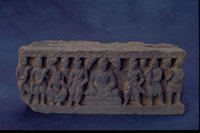
Fragment of a carved schist relief representing the assault of Mara. Inscription: Old label: 5
sculpture carving stupa fragment

Fragment of a carved schist relief representing the First Sermon. Old label: 11
sculpture carving stupa fragment

Fragment of a carved relief possibly representing the conversion of the Kasyapas.
sculpture carving stupa fragment

Fragment of a carved relief possibly representing the conversion of the Kasyapas. Old label: 21
sculpture carving stupa fragment

Fragment of a carved relief possibly representing the conversion of the Kasyapas. fInscription: Old label: 8
sculpture carving stupa fragment
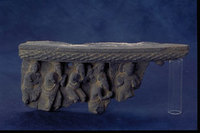
Carved schist relief possibly representing the conversion of the Kasyapas. Old label: 14
sculpture carving stupa fragment

Carved schist relief representing the offering of dust The Buddha once entered a city to beg his day's food and came upon two boys playing. Pretending that it was flour, one of the boys put a handful of dust into the Buddha's begging bowl and wished…
sculpture carving stupa fragment
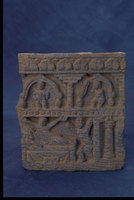
Fragment of a carved relief representing the death of the Buddha.
sculpture carving stupa fragment
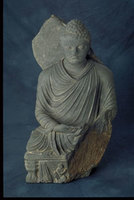
Statue of the seated Buddha in meditation, halo broken and one hand and arm missing, figure below seat.
sculpture carving stupa fragment
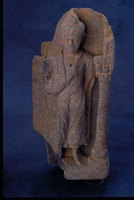
Statuette of a Buddha standing beside free-standing pillar with modified corinthian capital. Inscription: Old label: 28